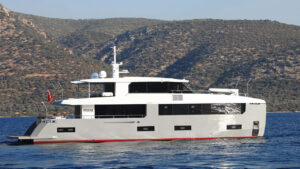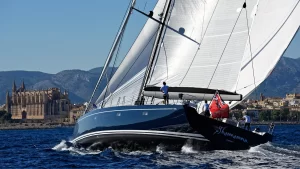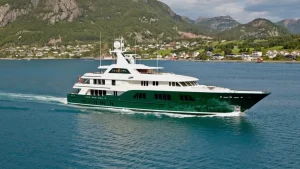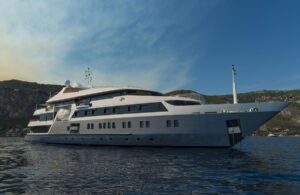

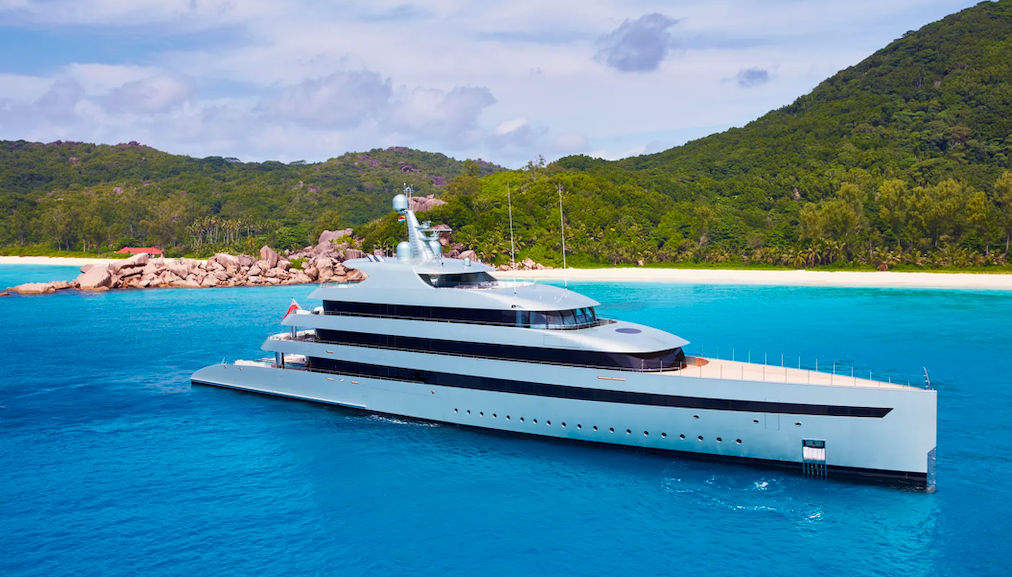
The luxury yachting industry is experiencing a remarkable transformation as sustainability becomes one of the most influential factors shaping the future of yacht ownership. Modern yacht owners increasingly seek environmentally responsible solutions that reduce ecological impact while maintaining the highest standards of comfort, performance, and exclusivity. This evolution has given rise to the eco-friendly superyacht, a new generation of vessels designed to combine luxury with environmental stewardship.
For decades, the superyacht sector focused primarily on size, speed, and onboard amenities. Today, however, innovation is increasingly centered around reducing emissions, improving fuel efficiency, and protecting marine ecosystems. Leading shipyards and naval architects are investing heavily in green technologies that redefine what luxury means on the water.
Why Sustainability Matters in Modern Yachting
The world’s oceans face significant environmental challenges, including pollution, habitat degradation, and climate change. As luxury yachts spend extensive periods operating in sensitive marine environments, owners and builders have recognized the importance of minimizing their environmental footprint.
Sustainable yachting is no longer considered a niche concept. It has become a strategic priority for manufacturers, charter companies, and yacht owners alike. Eco-conscious travelers increasingly prefer vessels that demonstrate responsible environmental practices while delivering exceptional onboard experiences.
Hybrid Propulsion Systems Revolutionizing the Industry
One of the most important advancements in eco-friendly superyacht design is the development of hybrid propulsion systems. These systems combine traditional diesel engines with electric motors and advanced battery storage technology.
Hybrid propulsion enables yachts to operate silently and efficiently during low-speed cruising, reducing fuel consumption and emissions. In environmentally sensitive areas such as marine reserves and protected coastlines, electric operation allows vessels to navigate with minimal disturbance to wildlife and local ecosystems.
Many modern superyachts can switch seamlessly between propulsion modes, optimizing performance according to cruising conditions. This flexibility significantly enhances operational efficiency while lowering overall environmental impact.
Renewable Energy Integration
Solar energy has become an increasingly common feature aboard modern luxury yachts. Innovative solar panels can now be integrated into hardtops, sun decks, and superstructures without compromising aesthetics.
These renewable energy systems provide supplemental power for onboard equipment, lighting, and hotel loads. Although solar energy alone cannot power an entire superyacht, it contributes significantly to reducing generator usage and fuel consumption.
Advancements in battery technology continue to improve energy storage capacity, allowing renewable energy systems to play a greater role in daily yacht operations.
Sustainable Materials and Interior Design
Luxury and sustainability are no longer mutually exclusive concepts. Interior designers increasingly utilize responsibly sourced materials that maintain premium aesthetics while supporting environmental goals.
- Reclaimed teak and certified hardwoods
- Eco-friendly fabrics and textiles
- Recycled metals and composite materials
- Low-emission paints and finishes
- Sustainably sourced natural stone surfaces
These materials help reduce environmental impact without compromising elegance, craftsmanship, or durability.
Advanced Waste Management Technologies
Modern eco-friendly superyachts feature sophisticated waste treatment systems designed to minimize pollution. Advanced water purification technologies process greywater and blackwater before discharge, ensuring compliance with strict environmental regulations.
Many vessels also incorporate onboard recycling facilities and compact waste management solutions that reduce landfill contributions during extended voyages.
Benefits of Owning an Eco-Friendly Superyacht
Reduced Operating Costs
Improved fuel efficiency translates into significant long-term savings, particularly for owners who spend extensive time cruising.
Future Regulatory Compliance
Environmental regulations within the maritime sector continue to evolve. Investing in sustainable technology helps future-proof a yacht against increasingly stringent requirements.
Enhanced Charter Appeal
Luxury charter clients increasingly value sustainability. Eco-friendly yachts often attract premium charter demand and higher occupancy rates.
The Future of Green Yachting
The next decade is expected to bring even more groundbreaking innovations. Hydrogen fuel cells, advanced battery systems, artificial intelligence-driven energy management, and carbon-neutral operations are all areas of active development.
Several leading shipyards are already experimenting with zero-emission concepts that could redefine luxury yachting for future generations. As technology advances, sustainability will become an integral component of every major yacht project.
Frequently Asked Questions
What is an eco-friendly superyacht?
An eco-friendly superyacht incorporates sustainable technologies such as hybrid propulsion, renewable energy systems, and environmentally responsible materials to reduce environmental impact.
Do hybrid yachts sacrifice performance?
No. Most hybrid systems provide comparable performance while significantly improving efficiency and reducing emissions.
Are sustainable yachts more expensive?
Initial investment may be higher, but operational savings and improved resale value often offset these costs over time.
Conclusion
The eco-friendly superyacht represents the future of luxury yachting. Through innovative engineering, sustainable materials, and advanced energy management systems, these vessels prove that environmental responsibility and world-class luxury can coexist. As the industry continues to evolve, sustainability will remain one of the defining characteristics of modern yacht ownership.