
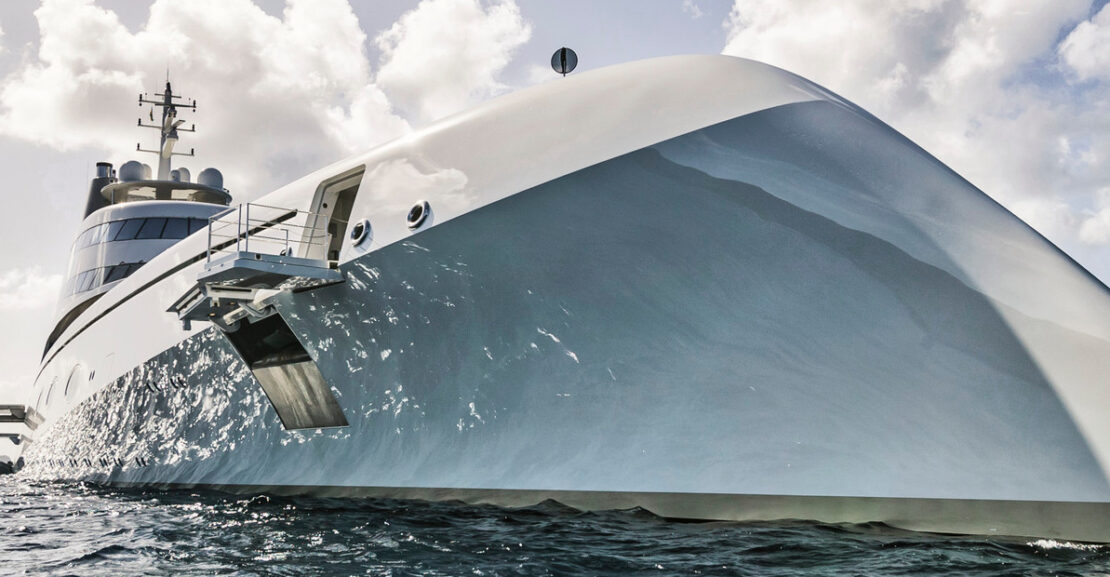
For the ultimate maritime visionary, purchasing an existing vessel is simply not enough. The pinnacle of luxury yachting lies in custom superyacht construction—the creation of a completely bespoke vessel designed from the keel up to reflect an owner’s exact lifestyle, aesthetic preferences, and operational requirements. It is a monumental undertaking that blends art, cutting-edge engineering, and immense dedication.
Embarking on a custom new build is a multi-year journey that transforms a blank sheet of paper into a magnificent floating palace. This process requires assembling a world-class team of professionals and navigating a complex series of design and construction milestones. Here is an in-depth look at the remarkable journey from initial concept to final delivery.
Phase 1: The Initial Concept and Brief
Every legendary superyacht begins as an idea. During the conceptual phase, the owner defines the overarching vision for the vessel. This involves creating a detailed “Owner’s Brief,” which outlines the fundamental parameters of the yacht.
Key considerations include:
- Overall Length and Gross Tonnage (GT): Determining the size and interior volume of the vessel.
- Performance Metrics: Desired cruising speed, maximum speed, and total nautical range.
- Exterior Styling: Whether the yacht should feature aggressive, sporty lines or a classic, timeless profile.
- Lifestyle Requirements: The necessity for specific amenities such as a helicopter pad, submarine garage, expanded wellness spa, or massive tender storage.
At this stage, the owner typically hires an owner’s representative or project manager to guide the entire process and protect their interests.
Phase 2: Naval Architecture and Exterior Design
With the brief established, the project moves to specialized design firms. A naval architect is tasked with designing the hull and engineering the vessel to ensure seaworthiness, stability, and fuel efficiency. They conduct complex computational fluid dynamics (CFD) tests and physical tank testing to optimize the hydrodynamic performance.
Simultaneously, an exterior designer shapes the yacht’s superstructure. They determine the arrangement of the decks, the flow of the exterior spaces, and the visual character of the yacht. The collaboration between the naval architect and exterior designer is critical, as the yacht must be both breathtakingly beautiful and exceptionally safe in heavy seas.
Phase 3: Shipyard Selection and Contracting
Selecting the right shipyard is one of the most critical decisions in the new build process. Not all shipyards possess the capability, infrastructure, or financial stability to build a massive custom superyacht. The project manager will issue a detailed tender package to a shortlist of elite shipyards—often located in Northern Europe, Italy, or increasingly, Turkey—requesting bids.
The evaluation process considers the yard’s track record, technical capabilities, available build slots, and pricing. Once a shipyard is selected, complex legal contracts are negotiated. These contracts define payment milestones, delivery dates, quality standards, and penalties for delays, ensuring strict accountability throughout the build.
Phase 4: Interior Design and General Arrangement
The interior design phase is often the most engaging part of the project for the owner. A renowned superyacht interior designer is commissioned to create the living spaces. They focus on the General Arrangement (GA)—the precise layout of the cabins, salons, crew quarters, and galley.
The interior design involves meticulous selection of premium materials:
- Rare veneers, custom cabinetry, and bespoke furniture.
- Exotic marble and stone imported from around the world.
- Custom lighting plans to create distinct moods and ambiances.
- Advanced audio-visual systems and smart-yacht automation integration.
Before construction begins, designers often create hyper-realistic 3D renderings and even build full-scale mock-ups of specific cabins to ensure the owner is completely satisfied with the spatial proportions and material finishes.
Phase 5: Engineering and Construction Milestones
The physical construction of a custom superyacht spans several years and is marked by significant traditional maritime milestones.
Steel Cutting: The ceremonial first cut of the hull material (steel or aluminum) marks the official commencement of construction. This is a celebratory event attended by the owner and the shipyard team.
Keel Laying: Following maritime tradition, a coin is often welded beneath the keel for good luck as the fundamental backbone of the yacht is assembled in the dry dock.
Hull and Superstructure Joining: The lower hull and the upper superstructure (often built separately to increase efficiency) are carefully welded together, revealing the true scale and silhouette of the vessel.
During these phases, miles of electrical wiring, complex plumbing, and heavy machinery—including main engines and generators—are meticulously installed.
Phase 6: Outfitting and Fairing
Once the structural work is complete, the yacht undergoes the outfitting process. This involves installing the bespoke interior cabinetry, technical systems, and navigation equipment. It requires incredible coordination to ensure that the delicate interior finishes are not damaged as heavy equipment is brought onboard.
Simultaneously, the exterior undergoes “fairing and painting.” Fairing is a labor-intensive process where layers of filler are applied and sanded by hand to ensure the hull is flawlessly smooth before the final high-gloss topcoats are applied. A perfect paint job is a hallmark of premium custom superyacht construction.
Phase 7: Launch, Sea Trials, and Delivery
The launch is a highly emotional moment as the yacht touches the water for the very first time. However, the project is not yet complete. The vessel must undergo rigorous sea trials.
During sea trials, the shipyard, project managers, and classification society inspectors push the yacht to its limits. They test top speeds, maneuverability, emergency systems, and acoustic insulation levels. Any minor adjustments or “snagging” items are identified and rectified before the final handover.
Finally, the yacht is officially delivered to the owner in a formal signing ceremony. The crew assumes full control, and the vessel departs on its maiden voyage.
Conclusion
Custom superyacht construction is an incredible synergy of visionary design, artisanal craftsmanship, and heavy industrial engineering. While the process requires time, patience, and significant investment, the result is a one-of-a-kind masterpiece that perfectly encapsulates the owner’s dreams. A custom-built superyacht stands as a legacy of luxury, pushing the boundaries of maritime innovation and offering an unparalleled platform for global exploration.