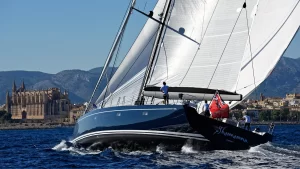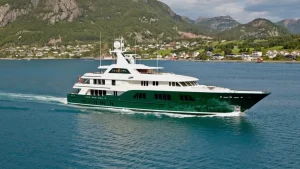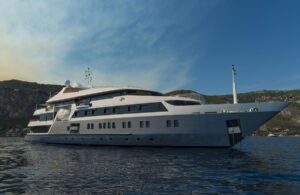


The superyacht world is often portrayed as the pinnacle of luxury—glamorous vessels cruising through pristine waters with unmatched elegance. But beneath this refined lifestyle lies a powerful global economic engine. According to newly released research by the Superyacht Forum, the sector contributes nearly €54 billion annually to the global economy through construction, maintenance, crew employment, logistics, maritime services, and local spending.
Superyachts as Economic Ecosystems
Unlike traditional vessels, superyachts trigger a wide web of economic activity. Their construction involves advanced engineering, design studios, interior specialists, craftsmen, naval architects, and high-end suppliers across materials, technology, and propulsion systems. Once a yacht is delivered, the economic impact continues—often for decades.
Key Drivers of the €54 Billion Contribution
- Construction & Shipyards: Multi-year building processes employing thousands of specialized workers.
- Refit & Maintenance: Each yacht spends 8–12 weeks per year undergoing upgrades, surveys, and repairs.
- Crew Employment: A 60m yacht employs 12–15 full-time crew members, each contributing to international labor markets.
- Operational Expenditures: Fuel, provisions, port fees, insurance, and logistics.
- Local Economic Impact: Spending in marinas, restaurants, hotels, transportation, and tourism.
Superyachts as Mobile Economic Engines
A superyacht is not simply an asset—it is a mobile economic generator that carries its impact across borders. From the Mediterranean to the Caribbean, every port touched by a yacht experiences increased activity in hospitality, retail, security, supply chain logistics, and professional services.
Why This Matters for the Future of the Industry
As governments evaluate maritime policies, environmental regulations, and tourism investments, this €54 billion figure redefines the industry’s importance. Superyachts are not a luxury expense—they are long-term contributors to economic stability and technological innovation across marine sectors.
What This Means for Owners, Managers & Future Buyers
For buyers and investors, the data reinforces that yacht ownership extends far beyond personal pleasure. It supports skilled labor, drives engineering innovation, and strengthens maritime economies worldwide. For yacht management companies, the increasing value of operational services highlights the growing demand for expertise, compliance management, technical oversight, and long-term asset care.
The superyacht industry’s €54 billion economic contribution is a reminder that these vessels do more than sail—they create opportunity. Their presence enriches local and global economies, fuels innovation, and defines the future of maritime excellence.