
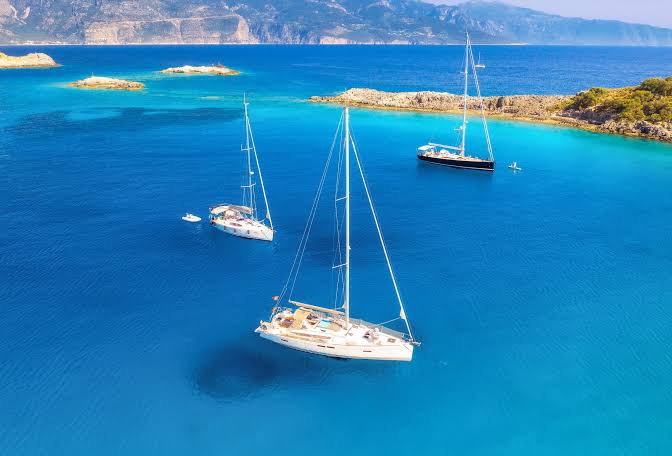
The First-Timer’s Guide to Chartering a Yacht on Turkey’s Turquoise Coast
Turkey’s Aegean and Mediterranean coastline has been drawing sailors for decades — long enough that the country has its own name for the experience: the Mavi Yolculuk, or Blue Voyage, a tradition of cruising the coast aboard a crewed wooden gulet that predates modern yacht charter by generations. If you’re chartering here for the first time, a little planning goes a long way toward matching the trip to what you actually want.
When to go
The sailing season runs roughly late April through October, but the month you choose changes the trip considerably.
May, June, and September are widely considered the best window — daytime temperatures in the mid-20s°C, warm enough water, and lighter, more predictable wind.
July and August are peak season for a reason: reliably hot (often 35°C+) and lively. They’re also when the Meltemi — a strong, dry northwesterly wind — builds through the afternoon, sometimes reaching 25–30 knots around Bodrum and Datça. It’s excellent sailing wind if you’re prepared for it, less pleasant if you’re hoping for a calm afternoon at anchor.
October can offer some of the most beautiful, uncrowded sailing of the year, with the caveat of occasional thunderstorms as the season closes out.
Choosing your coastline
The Aegean Coast (Bodrum region): Bodrum is the natural starting point, with the Gulf of Gökova, Sedir Island, the ancient ruins at Knidos, and the marinas of Yalıkavak and Turgutreis all within easy reach. It’s the more social of the two main routes — better for guests who want a mix of anchorages and nightlife.
The Turquoise Coast (Marmaris–Fethiye–Göcek): Further south and east, this stretch is quieter and more dramatic — Ölüdeniz’s Blue Lagoon, the walking trail through Butterfly Valley, the sunken Lycian ruins at Kekova, and the car-free village of Kaleköy. A classic Fethiye–Kaş route covers most of the highlights in a week to ten days.
Further afield: Kuşadası, the gateway to the ancient city of Ephesus, and Datça, known for the Knidos ruins and its noticeably quieter anchorages, are both worth building into a longer itinerary.
Gulet or motor yacht?
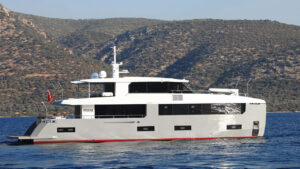
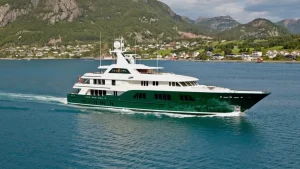
The traditional wooden gulet — typically 20 to 30 metres, fully crewed with a captain, chef, and crew — is the classic way to experience a Blue Voyage, built for slower travel and long lunches at anchor. A motor yacht covers more ground faster and suits a shorter trip or a group that wants to reach more destinations in the same number of days. Neither is objectively better; it depends on the pace you want.
What to know before you book
You’ll need a Transit Log (a cruising permit), typically costing €60–100, arranged as part of your charter.
Bareboat charter requires a valid sailing qualification (an ICC or equivalent) — most first-time visitors charter crewed instead, which removes this requirement entirely and comes with the added benefit of a captain who knows the coastline.
Anchoring is free throughout Turkish waters, and many of the best bays offer free mooring tied to a restaurant reservation ashore — part of what makes the coastline so accessible compared to some of its Western Mediterranean neighbors. Marina berths in the premium ports, by contrast, now run close to Western European rates in high season.
Book early for July and August, and earlier still if the Bodrum–Göcek–Marmaris triangle is on your route — these bays have been getting busier each season, and the best-known anchorages fill up fastest.
Planning your charter with Best Yachts Turkey
Every charter we put together starts with the same question: what does this group actually want from the week — quiet anchorages and slow mornings, or a faster-paced route with more stops? From there we match the right yacht, the right season, and a route built around it, with a crew who knows exactly where to take you when the bay you’d planned on turns out to be full.