
Designing the interior of a luxury vessel is one of the most complex and rewarding disciplines in modern architectural design. Unlike land-based residential projects, superyacht interior design must seamlessly harmonize aesthetic elegance with rigorous maritime safety standards, weight distribution, spatial constraints, and extreme marine conditions. A successful yacht interior creates a serene, opulent sanctuary that floats effortlessly across the ocean.
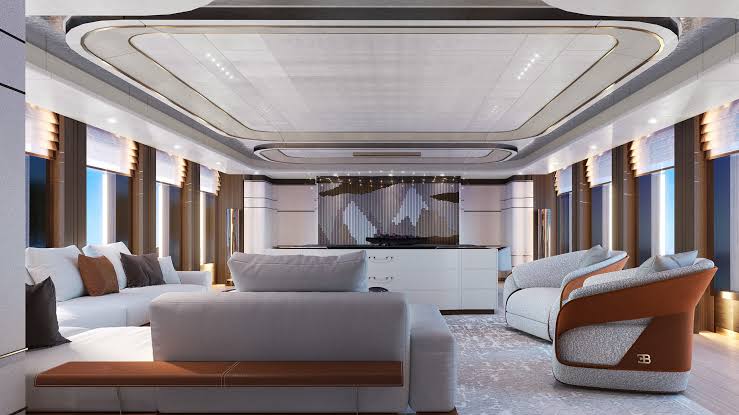
As the expectations of ultra-high-net-worth owners evolve, interior designers and naval architects are moving away from dark, traditional wood paneling toward light-filled open layouts, biophilic elements, sustainable natural materials, and integrated digital technologies. Today’s luxury superyachts function as floating architectural masterworks where craftsmanship meets cutting-edge innovation.
The Unique Challenges of Yacht Interior Architecture
Yacht interior architecture requires specialized engineering considerations that do not exist in conventional architecture. Every piece of furniture, lighting fixture, wall panel, and decorative element must be engineered to withstand structural vibration, pitch, roll, and constant exposure to saline air.
Designers must carefully calculate material weights to maintain the vessel’s center of gravity and buoyancy while adhering to strict international fire safety regulations (such as IMO and SOLAS compliance).
Key Principles of Modern Yacht Interiors
Leading design studios prioritize specific foundational principles to maximize onboard comfort, functionality, and visual appeal:
- Spatial Optimization: Utilizing multifunctional furniture, concealed storage solutions, and clever spatial flow to maximize usable square footage.
- Panoramic Natural Light: Integrating expansive floor-to-ceiling glass, tinted skylights, and reflective surfaces to connect interior spaces with ocean views.
- Ergonomics and Marine Safety: Designing rounded furniture edges, secure flush latches, and subtle handrails to ensure guest safety while underway.
- Acoustic and Vibration Isolation: Implementing advanced sound-dampening insulation materials to eliminate engine noise and mechanical vibration.
- Seamless Indoor-Outdoor Flow: Creating fluid transitions between main deck saloons and aft deck dining areas via sliding glass pocket doors.
Evolving Materials and Finishes
Modern luxury interiors have seen a dramatic shift in material selection. Where high-gloss mahogany and heavy marble once dominated, contemporary superyachts feature lighter, more sustainable, and sophisticated finishes.
Popular material choices include brushed light oaks, bleached teak, open-pore travertine, honeycombed lightweight marble slabs, organic linen textiles, recycled marine leather, and hand-woven silk carpets.
Integrating Smart Home Automation
Technology plays an indispensable role in contemporary superyacht interior design. Discreetly integrated automation systems allow guests to control lighting scenes, motorized window shades, climate control, and high-fidelity audiovisual systems through concealed touch panels or personal mobile devices.
Invisible speakers built directly into wall paneling, motorized television lifts, and dynamic LED mood lighting allow spaces to transform instantly from relaxed family lounges to glamorous evening entertainment venues.
Designing Specialized Onboard Wellness Facilities
Health and wellness features have become central elements of superyacht layout planning. Modern owners increasingly request dedicated wellness hubs that equal the world’s most prestigious luxury spas.
Common wellness installations include:
- Full-beam beach clubs with fold-down side balconies
- Custom oceanfront saunas and steam rooms
- Cryotherapy chambers and cold plunge pools
- Glass-walled fully equipped gymnasiums
- Dedicated massage suites and beauty salons
Biophilic Design and Ocean Connectivity
Biophilic design—the philosophy of connecting occupants directly with nature—has gained widespread popularity in marine architecture. Incorporating natural organic shapes, living vertical gardens, water features, and unrefined natural textures fosters a calming connection between guests and the surrounding marine environment.
Frequently Asked Questions
How does yacht interior design differ from residential interior design?
Yacht interiors require lightweight marine-grade materials, strict compliance with international maritime safety codes, vibration isolation, and specialized furniture securement.
How do designers keep heavy stone from affecting vessel stability?
Designers utilize advanced honeycombed stone technology, slicing natural marble or granite into ultra-thin veneers backed by lightweight aluminum frames.
Can yacht interiors be customized during a refit?
Yes, comprehensive interior refits are very common, allowing older vessels to be updated with contemporary layouts, new materials, and modern technology.
Conclusion
Superyacht interior design represents a harmonious fusion of engineering precision, artistic vision, and luxury lifestyle customization. By balancing structural weight requirements with elegant aesthetics, sustainable materials, and intelligent automation, naval designers craft extraordinary floating environments. As maritime design continues to evolve, interior spaces will remain the soulful heart of every superyacht, offering an unmatched sanctuary for global ocean exploration.